
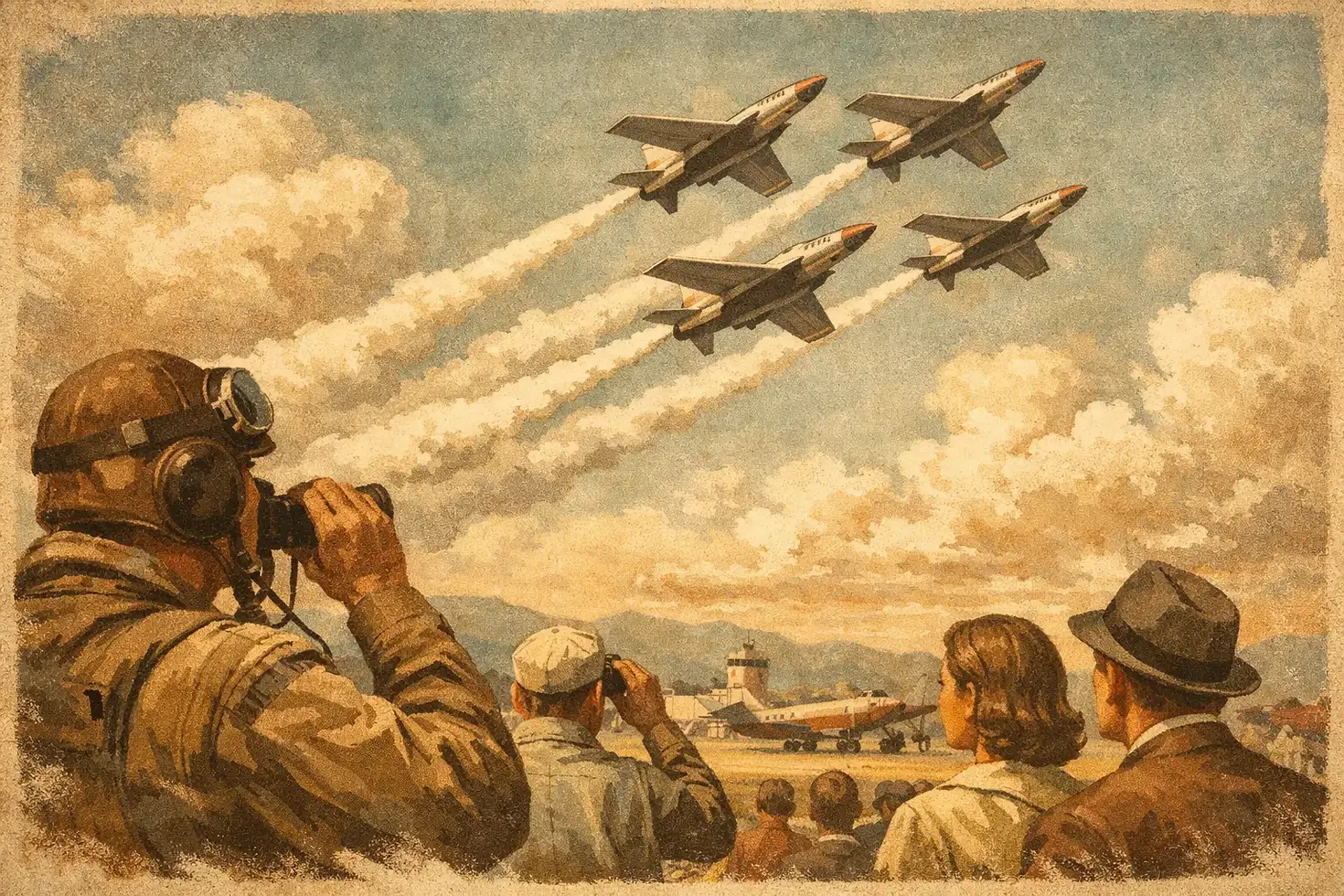
What Makes a Formation Team Airshow Special?
The moment a formation team airshow begins, the crowd feels it before anyone says a word. Engines build, heads tilt skyward, and then multiple aircraft sweep into view as one - tight, fast, disciplined, and impossible to ignore. That kind of flying does more than entertain. It creates the kind of shared, heart-pounding experience families remember, veterans respect, and aviation fans talk about long after the last pass.
A solo aerobatic routine can be thrilling. A warbird flyby can stir deep emotion. But formation flying carries a different kind of power because it combines precision, trust, timing, and spectacle in one performance. When several aircraft move together with exact spacing and synchronized intent, the result feels bigger than a stunt. It feels like teamwork made visible.
Why a formation team airshow hits different
Crowds respond to formation flying because the margin for error is so small and the discipline is so obvious. Even people who do not know aircraft models or aerobatic terminology can tell they are watching something difficult. When planes roll together, cross in sequence, or hold a clean line at speed, the skill is unmistakable.
That is part of the magic. A great formation team airshow speaks to longtime aviation enthusiasts and first-time spectators at the same time. Pilots may appreciate the spacing, closure rates, and energy management. Families with kids may simply see smoke, speed, and a sky full of motion. Both reactions are valid, and both are part of what makes the performance work.
There is also a strong emotional layer. Formation flight suggests unity, discipline, and mutual trust. In a patriotic event setting, that feeling lands even harder. It connects naturally with military heritage, veteran recognition, and the broader spirit of honoring service. The aircraft are the stars, but the meaning comes from what they represent together.
The skill behind a formation team airshow
From the ground, a routine can look effortless. It is not. Every clean pass depends on extensive practice, strict communication, and a deep understanding of each pilot's role in the formation.
Most teams operate around a lead aircraft that sets the line, pace, and overall geometry. The other pilots are not simply flying near the leader. They are making constant, precise corrections to hold position. Tiny throttle inputs, careful visual references, and disciplined focus matter every second. A move that looks smooth to the audience may require nonstop micro-adjustments in the cockpit.
This is why trust is such a big part of the appeal. Formation pilots rely on one another completely. They brief hard, fly the plan, and respect limits. That professionalism is a huge part of what audiences are actually admiring, whether they realize it or not.
It also explains why not every airshow act feels the same. Some performances lean heavily into dramatic aerobatics. Others emphasize polished military-style precision. Some use historic aircraft that bring nostalgia and reverence. Others use modern, agile aircraft that highlight speed and energy. The best fit depends on the event, the crowd, and the larger story the show wants to tell.
Why families and first-time guests love it
One reason formation acts draw such broad appeal is simple: they are easy to follow. You do not need a technical background to enjoy several aircraft arriving together, breaking apart, and rejoining in a cloud of smoke. The visual rhythm is immediate.
For parents, it gives kids a true wow moment without needing a long explanation. For grandparents, it can bring back memories tied to military aviation and classic aircraft. For veterans, it often carries a deeper note of respect. That range matters for a community event because the best airshows are not built only for experts. They are built for whole families and whole towns.
A strong formation performance also helps shape the pace of the day. It gives the crowd a centerpiece moment, something everyone can rally around. In an event that includes static displays, food vendors, car show attractions, ceremonies, and premium ride experiences, that kind of headline performance can tie everything together.
Formation flying and patriotic energy
A formation team airshow often feels especially powerful when it is part of a larger patriotic event. That is not just because of the aircraft. It is because formation flying naturally reflects values people already associate with service - discipline, teamwork, sacrifice, and pride.
That matters in communities that care deeply about honoring veterans and active-duty military. A ceremonial flyover may deliver a solemn emotional moment. A full formation routine adds another dimension. It celebrates excellence while still carrying that sense of respect.
For event organizers, this creates an opportunity and a responsibility. The opportunity is obvious: formation performances can elevate the emotional impact of the entire show. The responsibility is to present them in a way that fits the occasion. If the event includes veteran recognition or patriotic programming, the aviation side should support that message rather than overshadow it.
When that balance is done right, the result is unforgettable. The crowd gets the thrill of flight and the meaning behind it.
What makes one team stand out from another
Not every formation act leaves the same impression. Aircraft type matters, but presentation matters too.
Some teams stand out because of incredibly tight, technical flying. Others win over the crowd with smoke effects, crowd-friendly pacing, and a routine that is easy to read from the ground. Vintage formations can create a strong emotional pull because they connect spectators to aviation history. Modern civilian demonstration teams often bring a sharper aerobatic edge and a more energetic style.
The best teams understand their audience. At a family-friendly community event, clarity and showmanship go a long way. A routine that is technically brilliant but hard for casual spectators to follow may impress pilots more than families. On the other hand, a visually bold performance with strong timing and great narration can connect with almost everyone on the field.
That is why event planning matters as much as aircraft selection. The right team is not just the most famous one or the fastest one. It is the one that matches the heart of the event.
Why this kind of performance fits a community airshow
A formation team airshow is not just about what happens above the runway. It changes the feel of the entire event on the ground. It gives local sponsors something big to rally behind. It gives families a headline attraction worth planning a day around. It gives car show participants, vendors, and community partners a larger stage.
For a regional event, that is a major advantage. People are more likely to travel, bring friends, and stay longer when the airshow feels like a real occasion rather than a simple fly-in. Formation acts help create that sense of scale. They signal that the day is going to be exciting, polished, and worth showing up for early.
That is one reason this style of performance fits so naturally with a large community celebration like The Pixel Man Airshow. When an event blends aviation thrills, veteran tributes, family activities, and hometown pride, formation flying becomes more than an act on the schedule. It becomes part of the identity of the day.
The trade-offs people should understand
Of course, bigger spectacle comes with practical considerations. Formation performances depend heavily on weather, visibility, and safety conditions. A team may adjust or shorten a routine if conditions are not right, and that is exactly how it should be. Great airshow performances are built on discipline, not risk-taking for its own sake.
There is also a programming balance to consider. A formation act can be a major draw, but it should not be the only reason to attend. The strongest events build a full experience around it - aircraft displays, ceremonies, rides, cars, food, and opportunities for families to engage beyond the flight line.
That broader mix matters because different guests come for different reasons. Some come for the roar of engines. Some come to honor veterans. Some come because their kids love airplanes. Some come because it is a proud local event and they want to be part of it. A great airshow respects all of those motivations.
When the aircraft arrive in formation and the crowd rises to meet the moment, you can feel what makes airshows special in the first place. It is not only speed or sound or smoke. It is the rare feeling of a community looking up together at something precise, powerful, and worth remembering.


Comments