
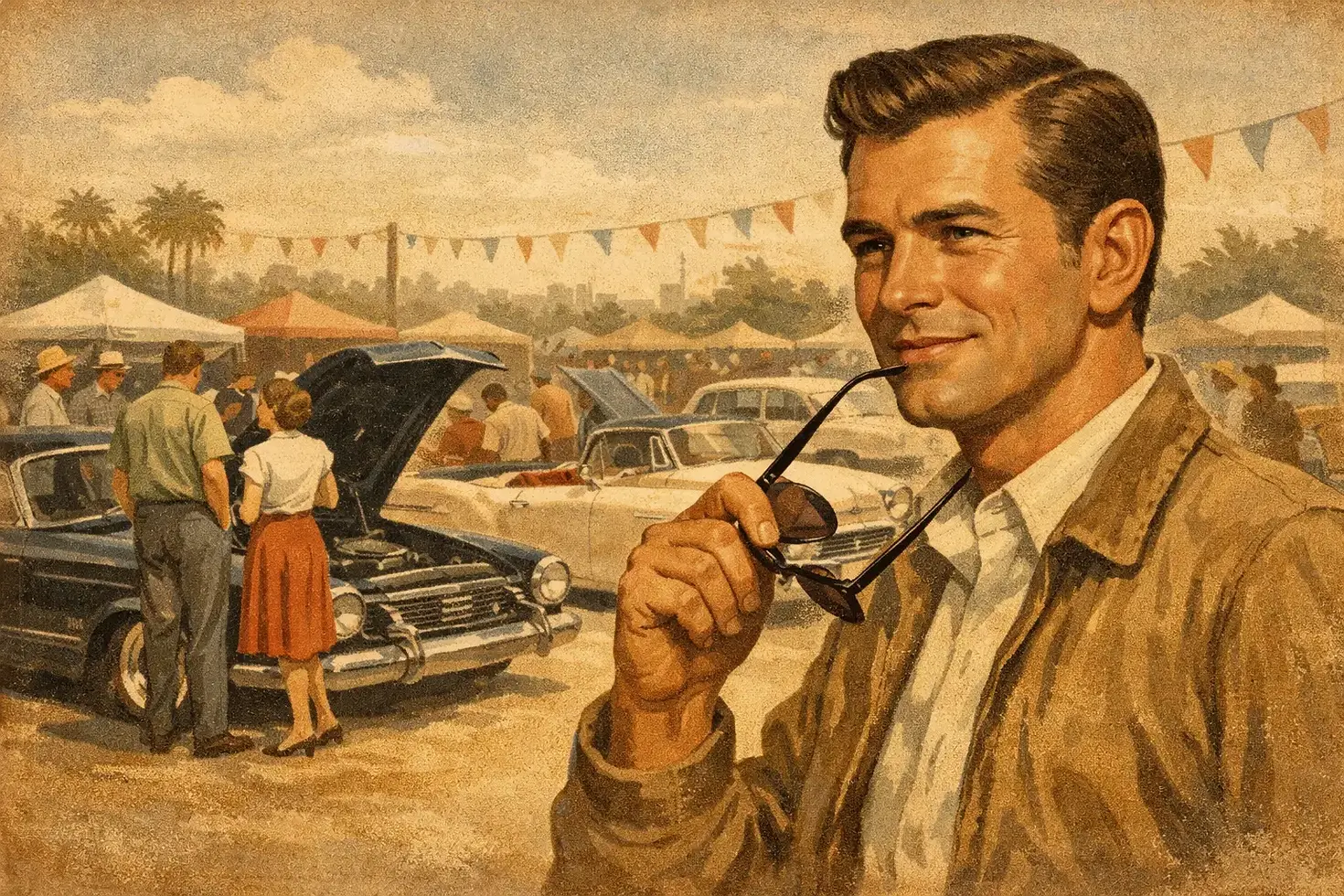
How to Join Car Show Events With Confidence
Some drivers spend months polishing chrome, correcting paint, and hunting down the perfect display board - then still hesitate when it is time to register. If you have been wondering how to join car show events without feeling out of your depth, the good news is this: most shows are far more welcoming than they look from the outside. You do not need a six-figure build, a trailer queen, or decades in the hobby. You need a car you are proud of, a little preparation, and the confidence to pull into the lineup.
Car shows are part competition, part community, and part celebration. For many people, they are also personal. Your vehicle might represent years of work, family history, military service, hometown pride, or a dream you finally brought to life. That is why joining the right event matters. The best shows do not just display vehicles. They create a setting where stories are shared, veterans are honored, families gather, and every engine note adds something special to the day.
How to Join Car Show the Right Way
The first step in learning how to join car show events is knowing what kind of show you are entering. Not every event is built the same way. Some are judged competitions with strict classes and arrival windows. Others are casual cruise-ins where the atmosphere is relaxed and the point is simply to show up, park, and enjoy the crowd.
Read the event details carefully before you register. Look for basics like date, location, check-in times, registration fees, class categories, and whether the show is judged or non-judged. You should also confirm whether the event welcomes your type of vehicle. Some shows focus on classics, muscle cars, imports, trucks, Jeeps, exotics, motorcycles, or military vehicles. Others are wide open and celebrate variety.
That part matters more than people think. A beautifully restored 1994 pickup can be a hit at one event and feel out of place at another. It is not about the quality of the vehicle alone. It is about fit. When you choose a show that matches your ride and your style, the whole experience gets better.
Start With Registration, Not Guesswork
Once you find the right event, register early if possible. Popular shows fill up fast, especially those tied to major community festivals, veteran tributes, or airshow-style entertainment where attendance is high and display spots are limited.
Online registration is common, but some events still allow day-of entry. If both options exist, early registration is usually the smarter move. It gives organizers time to place vehicles properly, helps you secure your class, and often lowers stress on show day. It can also help you avoid the disappointment of arriving after spaces are full.
As you register, pay close attention to the details you provide. Year, make, model, modifications, and class selection should be accurate. If the event uses those details for judging, signage, or announcements, sloppy registration can create confusion before your tires even hit the pavement.
If you are ever unsure which class fits your car, ask. That is not a rookie move. It is a smart one. Event organizers would rather answer a question in advance than sort out class problems in the staging area with a line of vehicles behind you.
What you may need to have ready
Most events keep it simple, but it helps to gather a few basics ahead of time: your registration confirmation, photo ID, proof of insurance if required, and any entry paperwork. If your car has a unique backstory, you may also want a short vehicle info card for spectators.
That card does not need to be fancy. A clean printout with the car's year, engine, restoration notes, and a few lines about why it matters to you can make your display more memorable.
Get Your Vehicle Show-Ready
One of the biggest misconceptions about car shows is that every vehicle needs to look flawless. That is not true. Your car should be clean, cared for, and presented with pride. That is different from perfect.
Wash the exterior thoroughly. Clean wheels, tires, glass, trim, and door jambs. Vacuum the interior. Wipe down the dash, console, and seats. If you plan to open the hood, spend time in the engine bay too. Judges and spectators notice the details.
Still, there is a trade-off. Over-prepping can become a trap. If you are chasing tiny imperfections at 1:00 a.m. the night before the event, you are probably doing too much. Focus on what makes the biggest difference in presentation. A clean car with strong overall appeal will outperform a stressed-out owner every time.
Mechanical readiness matters just as much as appearance. Check fluid levels, battery condition, tire pressure, and brakes. Make sure the car starts reliably and can idle without drama if the check-in line moves slowly. A beautiful car that leaks all over the display area or needs a jump in front of a crowd is not making the statement you want.
Plan for Show Day Like It Matters
If you want a smooth experience, do not treat show day like an ordinary Saturday drive. Give yourself extra time. Traffic can back up near popular events, especially those that draw families, vendors, sponsors, and large public crowds.
Arrive when organizers tell you to arrive, not when it feels convenient. Early arrival usually means easier parking, less stress, and a better chance to wipe down the car one last time before spectators come through. It also shows respect for the event team working to create a great experience for everyone.
Bring a small kit with essentials. Microfiber towels, glass cleaner, detail spray, water, sunscreen, folding chairs, and a phone charger can go a long way. If the event is outdoors, think about heat, dust, and changing weather. North Georgia days can shift quickly, and planning ahead keeps small issues from becoming big distractions.
How to join car show events and actually enjoy them
A lot of first-timers focus so much on the car that they forget the social side of the event. Once you are parked, be present. Talk to people. Answer questions. Walk the field when you get the chance. Some of the best parts of a car show happen in the conversations between owners, veterans, families, and fans who share the same appreciation for craftsmanship, history, and horsepower.
You do not need a sales pitch. Just be genuine. People love hearing why you chose that model, what the restoration took, what the badge means, or why the car reminds you of your father, your service years, or your hometown. That connection is often what makes one vehicle stand out from a row of polished metal.
If the event includes patriotic programming, veteran recognition, or family attractions, lean into the full experience. The strongest community events are bigger than a parking lot full of cars. They feel like a celebration. At a venue such as The Pixel Man Airshow, that spirit can carry real energy - the kind that blends engines, aviation, honor, and hometown pride into one unforgettable day.
What Judges and Crowds Usually Notice
Every event is different, but most judges and attendees notice the same core things: cleanliness, presentation, authenticity, and owner engagement. A rare car helps, but rarity alone does not carry the day.
If your event is judged, understand the scoring approach ahead of time if it is available. Some judges reward factory-correct restoration. Others appreciate tasteful modification, originality, or overall execution. That means expectations can vary. A custom restomod may turn heads all day and still place behind a stock survivor in a class that favors authenticity.
That is not unfair. It is just the nature of the hobby. The key is knowing what type of event you entered and what success looks like there. For some owners, winning a trophy matters. For others, success is hearing a kid say, "That is my dream car," or having an older veteran stop and share a story the car brought back.
If You Are New, Start Smaller and Build From There
If a major regional event feels intimidating, start with a local community show or cruise-in. There is no rule that says your first outing has to be a huge judged competition. Smaller events can be the best training ground. You learn how check-in works, what supplies you wish you had packed, how people respond to your display, and how to manage the pace of the day.
That experience adds up quickly. After one or two shows, the process starts to feel natural. You will know how early you like to arrive, whether you want a canopy or just chairs, and what kind of events suit your car best.
And if your first show is not perfect, that is fine too. Maybe you picked the wrong class. Maybe you forgot your display sign. Maybe you spent all morning cleaning bug marks off the grille. None of that means you do not belong. It means you are officially in the hobby, learning by doing like everyone else did.
Joining a car show is not about proving your car is the best on the field. It is about showing up, representing your story, and becoming part of something bigger than your own garage. Bring the vehicle you are proud to drive, present it well, and let the day do what great events always do - bring people together around passion, pride, and the sound of American horsepower.


Comments