
Why Aircraft Perform Flyovers at Big Events
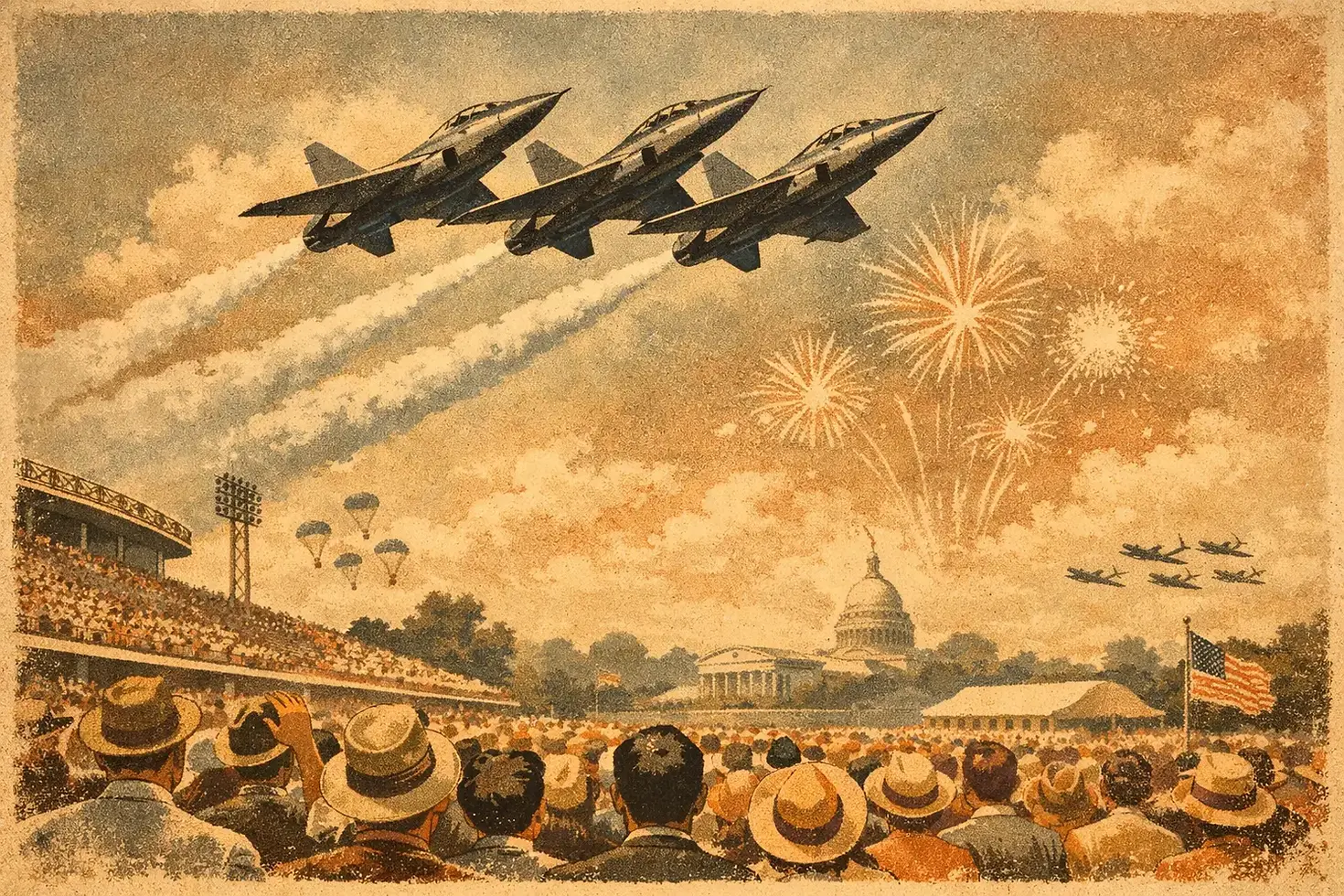
A formation appears on the horizon, engines building from a distant rumble into a sound you feel in your chest. Heads tip upward. Conversations stop. For a few unforgettable seconds, everyone is looking at the same patch of sky. That shared feeling is at the heart of why aircraft perform flyovers at ceremonies, sporting events, memorials, and airshows across America.
A flyover is never just an airplane passing overhead. It can be a salute to service, a display of extraordinary skill, a connection to history, or the moment that turns a community gathering into an event people talk about for years. At its best, it combines precision, pride, and pure aviation excitement.
Why Aircraft Perform Flyovers: Meaning Meets Spectacle
Aircraft flyovers carry a visual impact that few event moments can match. An aircraft is powerful, fast, and unmistakably present. It does not need a screen, a stage, or a long introduction. When a pilot brings a carefully planned pass over an event site, the sky becomes part of the program.
For patriotic ceremonies, that impact is especially meaningful. Military aircraft, warbirds, and formation flights can honor active-duty service members, veterans, first responders, and families who have carried the weight of service. The aircraft may represent a specific era, branch, mission, or generation of Americans. A World War II-era warbird flying overhead can make history feel immediate in a way that a photograph simply cannot.
The meaning depends on the occasion. A flyover before the national anthem may set a respectful, ceremonial tone. At a veteran recognition program, it can serve as a visible thank-you. During an airshow, it may be the opening signal that the big performances have begun. At a community festival, it creates a powerful moment of local pride: families, neighbors, visitors, and aviation fans all get to look up together.
That blend of tribute and thrill is why flyovers remain such a beloved American tradition.
The Skill Behind a Flyover
A great flyover looks effortless from the ground. In reality, it is a highly coordinated operation shaped by planning, timing, weather, airspace, and safety requirements.
Pilots and event organizers work from a defined plan. They determine the route to and from the event, the pass altitude, the direction of travel, the time on target, and the spacing between aircraft if more than one airplane is involved. For a formation flight, every pilot must hold a precise position while maintaining awareness of the other aircraft, changing conditions, and the approved flight profile.
Timing is often the toughest part. A pass that is meant to happen at the final note of the national anthem or at the opening of a ceremony cannot simply arrive whenever the aircraft gets there. Pilots calculate speed, distance, wind, and turning points so they can be over the crowd at the intended moment. A small timing adjustment miles away can make the difference between a perfectly synchronized arrival and a pass that comes too early or too late.
Weather is always a factor. Low clouds, poor visibility, strong winds, or thunderstorms can require a route change, a delayed pass, or cancellation. That is not a disappointment caused by a lack of effort. It is professional judgment. The most impressive flyover is one conducted within the right safety margins, with respect for both the people on the ground and the pilots in the air.
Air traffic coordination matters, too. Airports and surrounding airspace are active environments. A planned flyover must fit safely alongside regular aircraft operations, other event flights, and any necessary aviation approvals. The public sees the finished moment. Behind it is a disciplined team effort.
Not Every Flyover Has the Same Purpose
The word “flyover” can describe several different types of aerial appearances. A single vintage aircraft making one clean pass creates a different feeling than a tight formation of military-style aircraft or a dramatic jet demonstration.
A ceremonial flyover is generally designed for dignity and timing. The flight path is straightforward, the purpose is clear, and the emphasis is on honoring the moment below. At a memorial or veteran event, less can be more. The sound of an aircraft overhead, followed by a respectful pause, often says plenty.
An airshow flyover has more room for theater. It may introduce performers, feature historic aircraft, or build anticipation for aerobatics and high-energy demonstrations. The pass can highlight an airplane’s distinctive shape, engine sound, or heritage. A radial-engine warbird has a deep, unmistakable growl. A jet brings speed and thunder. Helicopters offer a different kind of drama, with their visible rotor movement and ability to approach at a slower pace.
Then there are formation flyovers, where teamwork becomes the story. Seeing aircraft hold a clean formation line is exciting because the crowd understands, even without aviation experience, that it requires serious discipline. The aircraft are moving quickly, sharing the same airspace, and presenting a unified picture overhead.
A Living Connection to Aviation History
For aviation enthusiasts, flyovers offer something that museum displays cannot: motion, sound, and scale. An aircraft on the ramp is fascinating. An aircraft in flight reveals what it was built to do.
This matters especially with vintage aircraft and warbirds. These airplanes connect audiences to the pilots, crews, and communities behind American aviation history. They remind us that aircraft were not simply machines. They were tools of defense, transportation, rescue, training, and national progress. Many were flown by young men and women who carried enormous responsibility.
For veterans and military families, that connection can be deeply personal. A flyover may bring back memories of a duty station, a mission, a loved one, or a chapter of life defined by service. Event organizers should recognize that emotion with care. The excitement of aviation belongs alongside sincere gratitude, not in place of it.
For younger attendees, the experience can plant a different kind of seed. A child who watches an airplane sweep across the sky may start asking how it flies, who maintains it, or what it takes to become a pilot. That curiosity can lead to a lifelong appreciation for aviation, engineering, military history, or public service.
Why Flyovers Bring Communities Together
The biggest strength of a flyover may be its ability to create a shared moment. Families arrive at an event for different reasons. One person loves classic cars, another came for the food trucks, another wants to meet veterans, and another cannot wait to see aircraft. When the flyover begins, those separate interests meet in one collective reaction.
That is why aviation events can feel larger than a standard festival. The sky gives the gathering a sense of occasion. It tells attendees that something special is happening right here, in their hometown, with their neighbors.
At Gainesville Airport, that feeling is part of what makes The Pixel Man Airshow more than a day of static displays and entertainment. Aircraft in motion bring the entire airport setting to life. They create the kind of goosebump moment that pairs naturally with veteran tributes, family activities, historic warbirds, cars, music, and the chance to see aviation up close.
There is also real value in bringing aviation access to a local audience. Not every family can travel to a major aviation museum or a large military open house. A community airshow puts remarkable aircraft, knowledgeable pilots, and aviation stories within reach. It gives people a reason to gather close to home while still experiencing something that feels huge.
What Makes a Flyover Memorable
The aircraft matter, but the surrounding moment matters just as much. A flyover is strongest when it has a purpose the crowd can feel. The right music, announcer, ceremony, or pause can provide context without talking over the experience.
A well-produced event also gives the audience room to react. Some passes call for cheers. Others call for quiet reflection. The best organizers understand the difference. A roaring performance aircraft may be the cue for excitement, while a tribute flight for veterans deserves a tone of gratitude and respect.
For attendees, the simple advice is to look up, stay aware of your surroundings, and let the moment happen. Take a photo if you can, but do not spend the entire pass watching through a phone screen. Engine noise fades quickly. The memory of seeing that aircraft cross the sky with your family or fellow veterans lasts much longer.
The next time a formation approaches and the crowd grows quiet, remember what you are seeing: pilots, planners, history, service, and community pride coming together above you. Look up and take it in. The sky does not stage that kind of moment every day.


Comments